The Difference Cycling in Belgium
This is a guest post from our Belgium correspondent, Rob Vaughan.
A bit of background on why I’m writing this article: Eleanor and I are originally from Cardiff but currently live in Brussels. I’ve been a lifelong cyclist for the past 65 years, enjoying both road and gravel cycling, mostly as a leisure cyclist.
Having lived here in Belgium for just over seven years, I’ve grown increasingly frustrated with the slow progress in cycling uptake back home, as part of an overall strategy, not only in Wales but across the UK. This issue spans from the very top levels of government policy-making to the attitudes towards cycling in certain parts of the community.
Belgium: A Complex Landscape
Belgium is a politically complex country, consisting of regions with distinct identities:
- Brussels Region: The capital and also the center of the EU, hosting a diverse population from 27 countries.
- Flanders: A low-lying region with its own language (Flemish, similar to Dutch), known as a cycling haven and the most prosperous area.
- Wallonia: The French-speaking, hilly region with a heavily industrial past, similar to Wales in many ways.
Through a series of articles, I aim to illustrate what it’s like to cycle in Belgium by exploring:
- Examples from various rides.
- The development of cycling in Belgium and its current state.
- Regional differences in cycling culture.
- Practical aspects such as infrastructure for commuting and leisure.
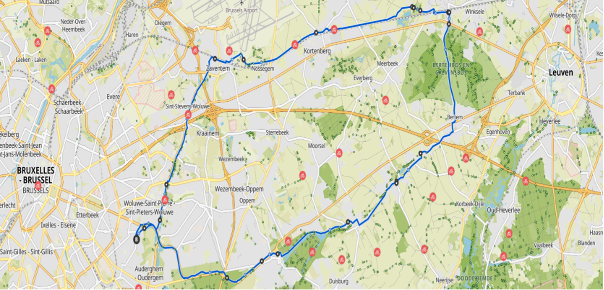
Ride 1: Brussels to Leuven Loop (43 km)
Way Types:
- Single track: 330 m
- Path: 1.30 km
- Access Road: 229 m
- Cycleway: 26.8 km
- Street: 6.42 km
- Road: 8.05 km
Notably, the majority of this route was on cycleways, meaning no car traffic. This is common between cities and is part of what is known as “super highways.” Streets and roads include good cycle lanes.
You can see the whole ride on Strava:
Venturing out
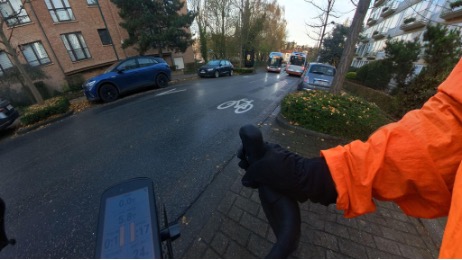
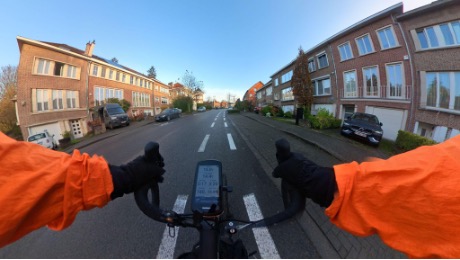
Note the cycle indicator as soon as I start: this is a very busy street, but within 200 metres there is a full cycle lane:
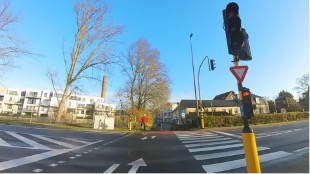
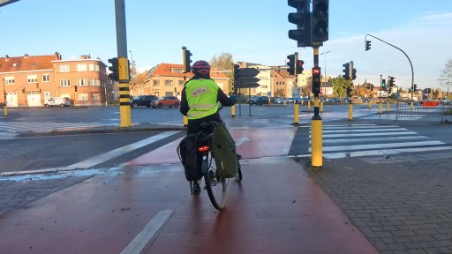
Traffic lights
It’s common to have traffic lights for cyclists. What you do not see is cyclists (or pedestrians) jumping the lights! I was shocked that it is relatively common in the UK for cyclists of all ages. In Belgium you can and will be fined about £200 for jumping the lights.
Cycling along major roads
Here the highway engineers have taken a lane from cars and given it to cyclists:

Then a tunnel was added:

Commitment!
One this cycle route built a tunnel to make it easier for cyclists. Previously we had to take a 200m diversion:

Safety, children and education
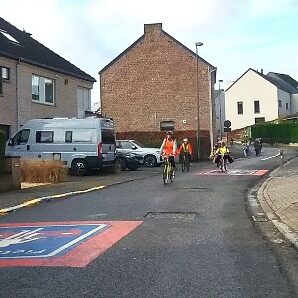
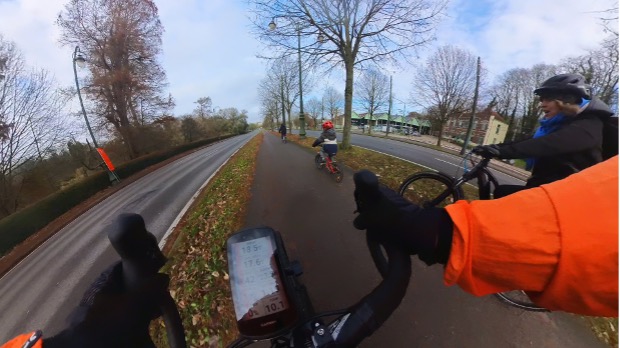
It’s typical to see these on the roads. This is a primary school group of children learning how to cycle on the streets. On a Wednesday you may even see a class of schoolchildren on top of the range road bikes. No wonder they are such a great cycling nation!
Here we have a mum with her young children riding by a major ring road! It’s a measure of how well a nation is doing at cycling by how many families you see riding to school.
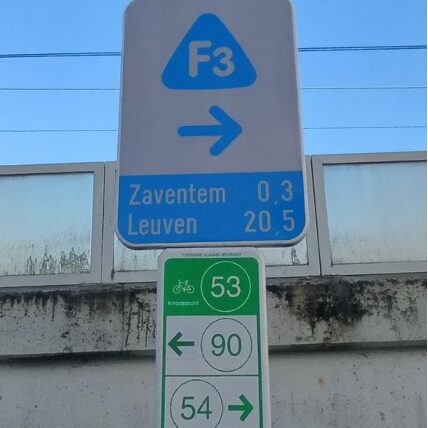
Getting about and navigating
There are a number of ways to find your way around: here are just two examples:
Photo 11 is a Super Highway between cities and 12 is a massive node network across parts of Belgium, Germany and the whole of the Netherlands.

More on this in a future post!



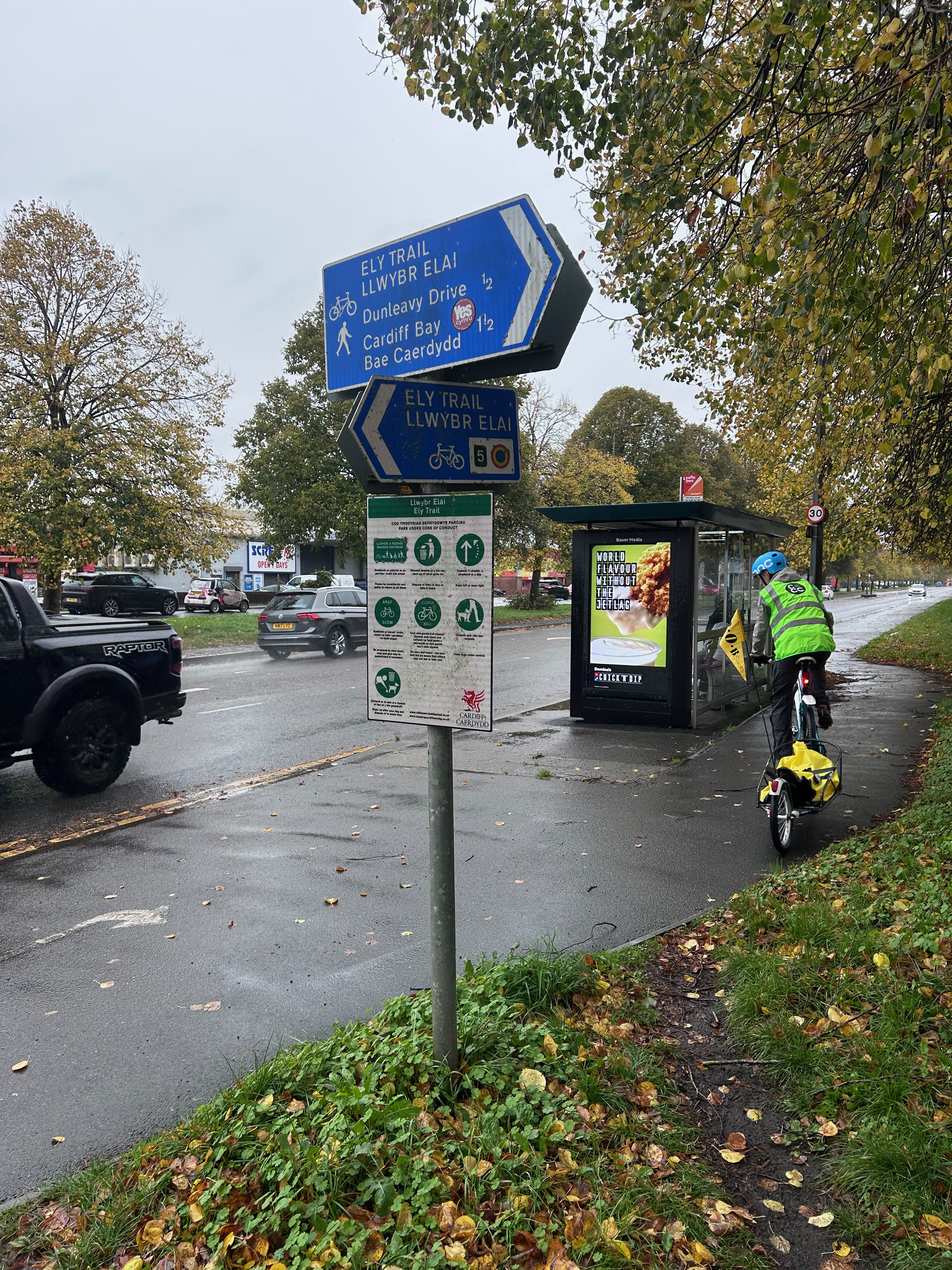
The node numbering system in Belgium is very helpful not only to help cyclists to navigate, but also to assist planners to create a cycle network in a structured way. A first step towards this in the London Borough of Ealing can be seen here:
http://www.ealingcycling.org.uk/2024/11/ealing-cycling-network-2024-35.html
The node numbering will not be shown on the ground for many years, but the schedule of links can be used to assist the council in determining priorities for upgrading cycling facilities. When enough links have been brought up to a standard “suitable for most people” using the definitions in LTN 1/20 table 4.1, the node signing can be installed on the ground.
Cardiff would do well to adopt a similar approach?