24 Popular Misconceptions about Cycling
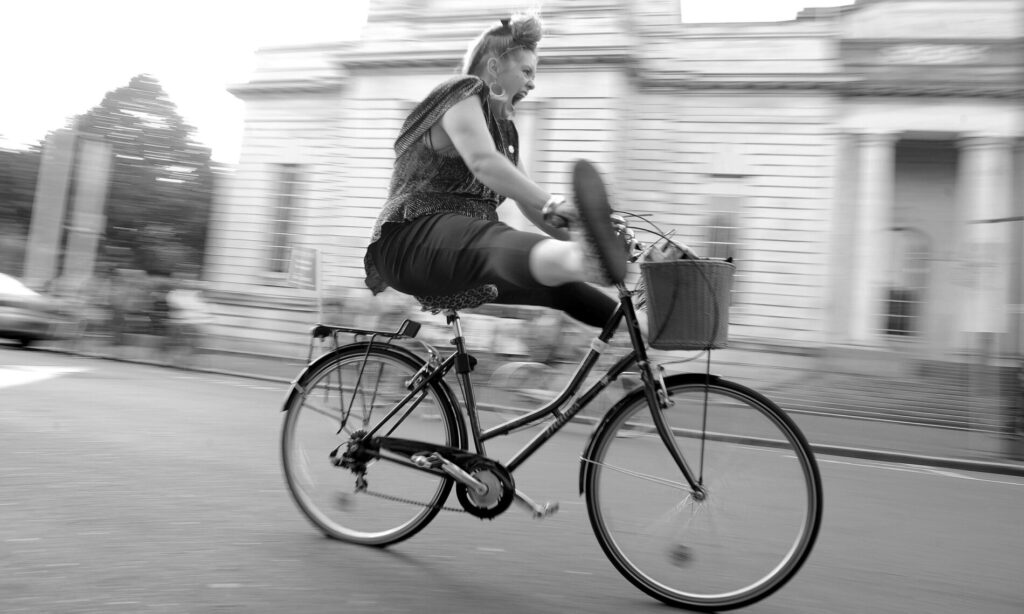
Last week on World Cycle to Work Day, Cardiff Cycle City ran our Commute Challenge, a timed “race” between different modes of transport. Spoiler alert – the cyclists won.
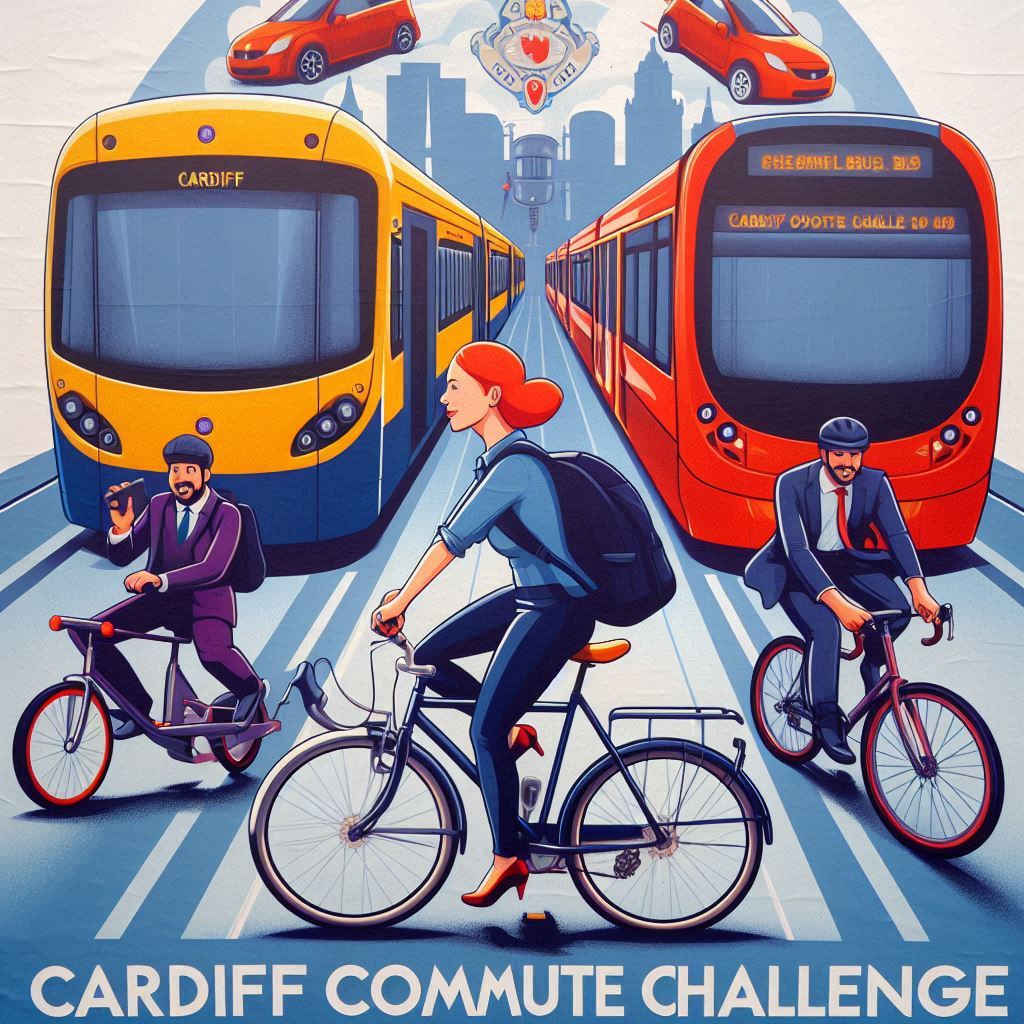
The challenge was picked up in the media. The vast majority of feedback has been positive, but it’s fair to say that it attracted a few very familiar and nonsensical comments about cycling.
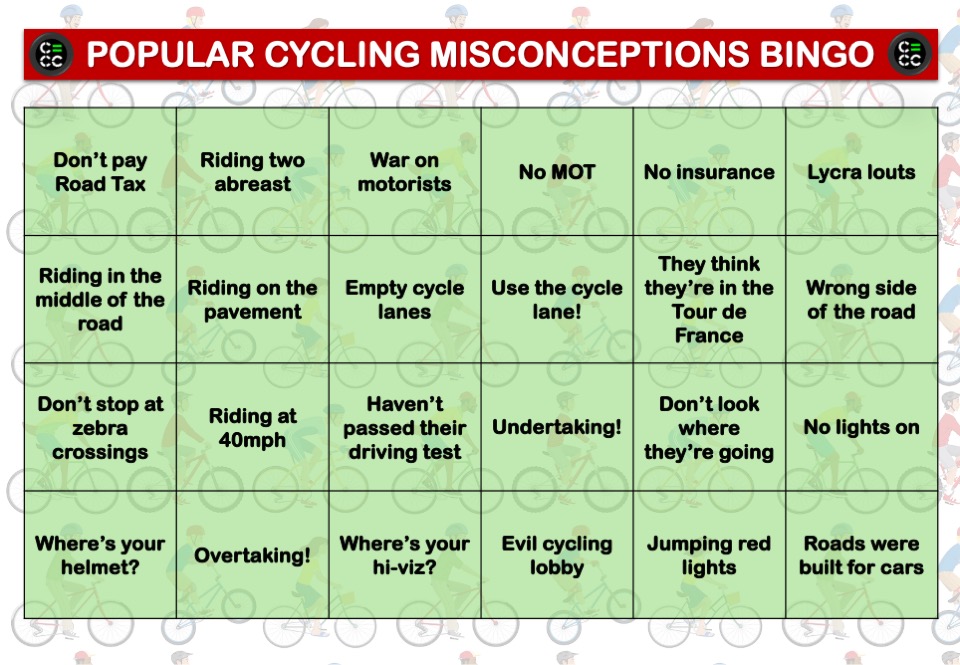
We thought it would be good to take these misconceptions one by one, and debunk them here. We’ve also created a helpful Bingo card so you can play along and hopefully enlighten a few people along the way!
1. Cyclists don’t pay “Road Tax”
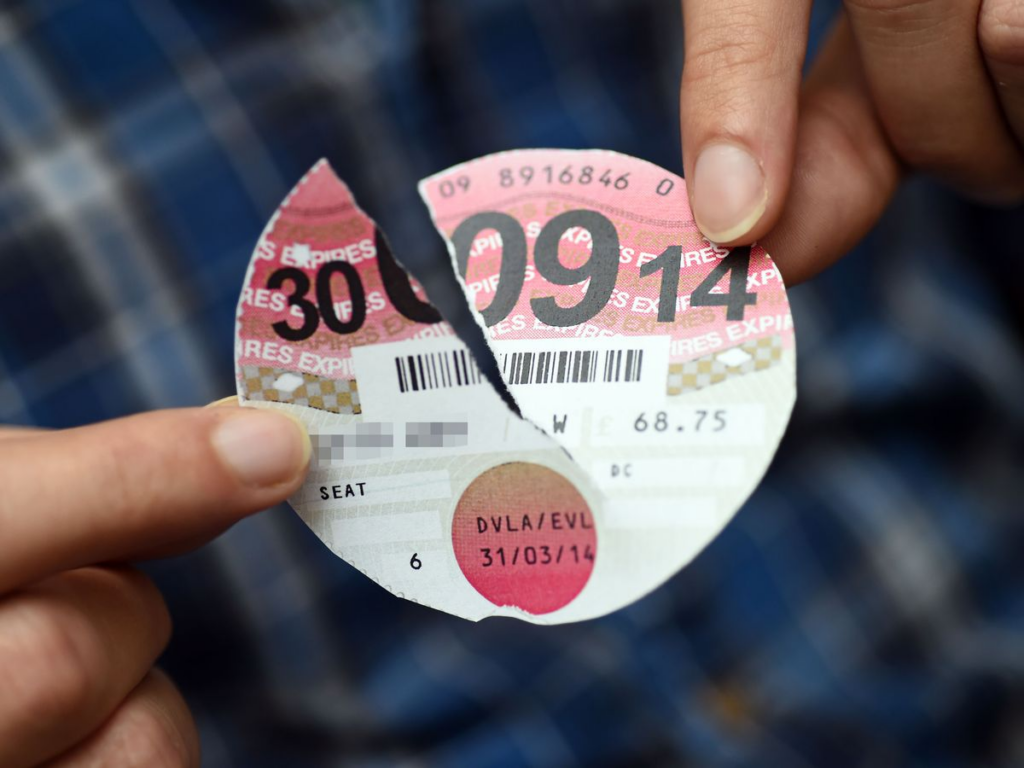
While this is true, neither does anyone else. Road Tax was abolished in 1937, and replaced with Vehicle Excise Duty (VED). VED is levied on vehicles according to their environmental impact. So drivers of the heaviest polluting vehicles pay the most, whilst users of non-polluting vehicles (like electric cars and pedal cycles) pay nothing. VED doesn’t go directly to pay for road maintenance. In fact, it goes into the general UK taxation pot which is used for public services of all sorts, including the NHS, where people suffering from the many effects of high levels of motor vehicle traffic are treated (think road traffic collisions, air pollution, obesity due to inactivity, etc.).
In fact, most of the roads that we cycle and drive on are likely to be maintained by the local council, with most of the money for that coming from Council Tax and general taxation, which we all contribute to.
2. Cyclists aren’t allowed to cycle two (or more) abreast
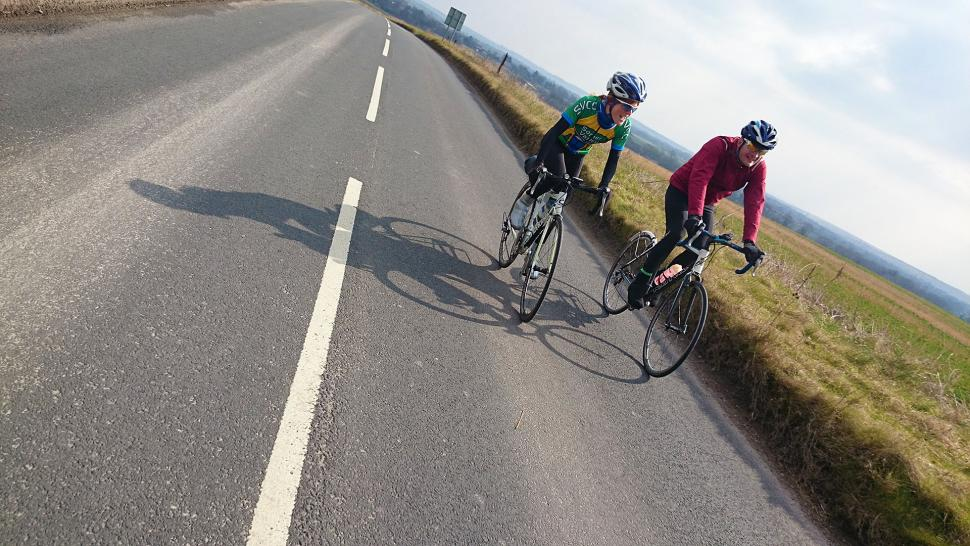
This isn’t true. In fact, cyclists are encouraged to cycle two abreast where there is room to do so. This discourages motorists from performing dangerous overtaking manoeuvres. It’s there in the Highway Code.
3. Cyclists are part of the “War on Motorists”
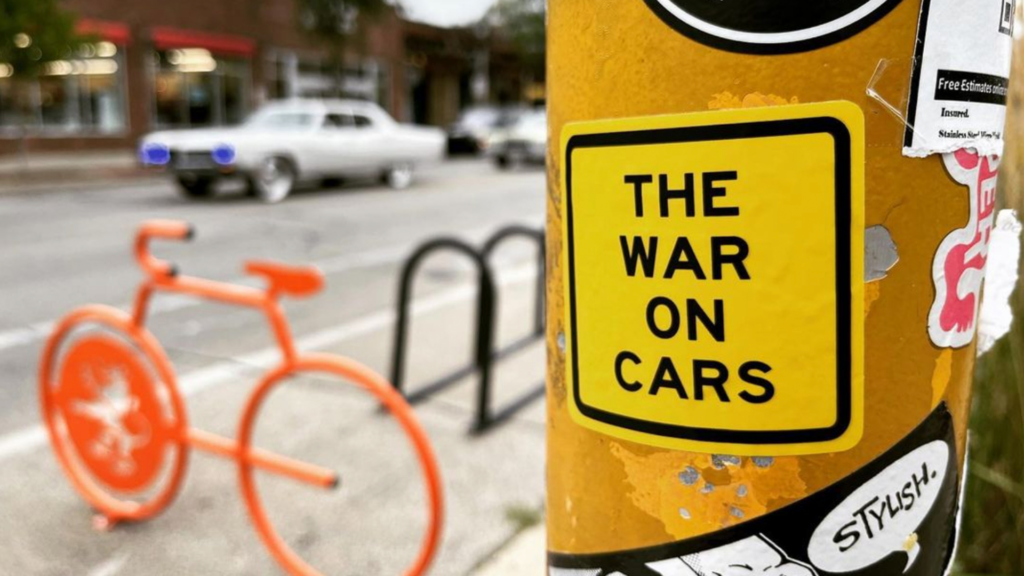
This concept was promoted by the previous Westminster government, when they launched their “Plan for Drivers.” In fact, motorists are one of the biggest subsidised groups in the UK. Fuel duty has been frozen for over 13 years, and other costs of motoring such as parking fees have not risen in line with inflation for the same period. During this time, investment in public transport and Active Travel has decreased in real terms. If there is a war, then motorists are definitely not on the losing side right now.
4. Bicycles should have an MOT
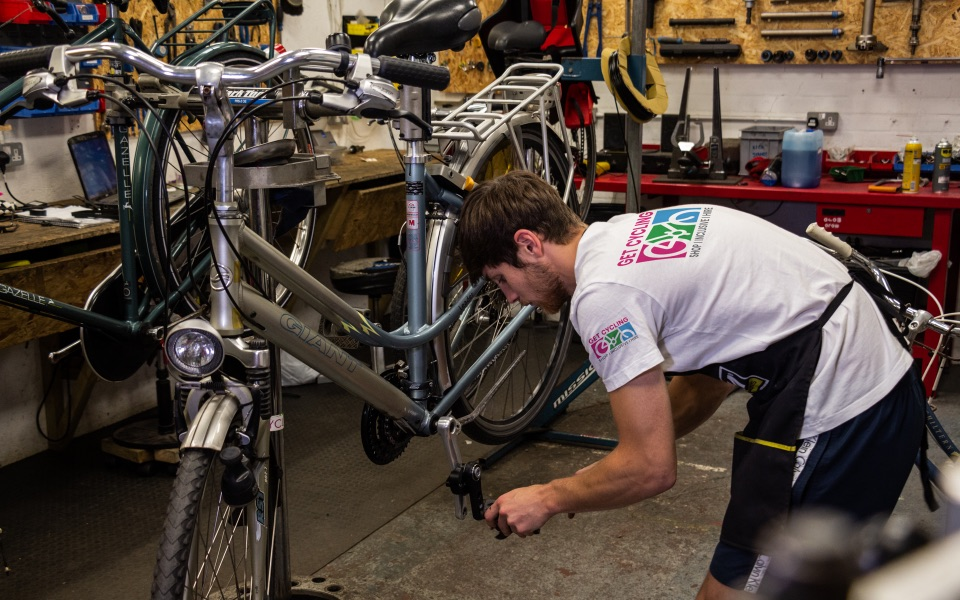
Whilst everyone agrees that bikes should be well-maintained and safe for riders and pedestrians where they come into contact, the negative impact of a poorly-maintained bicycle is vanishingly small compared with that of a dodgy motor car. Your knackered old pushbike isn’t going to emit poisonous fumes. Its flaky brakes are highly unlikely to lead to a fatal collision. This is before we think about the huge cost of implementing a completely new MOT system for pedal cycles. It would be a complete waste of money as it would do nothing to improve road safety.
5. Cyclists don’t have insurance
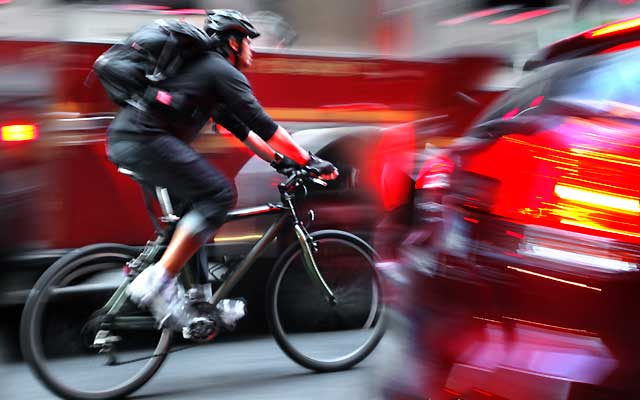
A survey in 2021 found that 62% of cyclists are insured either through a specialist cycling insurer or more commonly through their home contents insurance. The impact of uninsured cyclists is so small that it has never been measured, whereas it is estimated that there are more than 1 million uninsured car drivers in the UK right now. The cost impact of these illegal drivers on car insurance premiums is in the region of £380 million per year.
6. We’re all “Lycra louts”
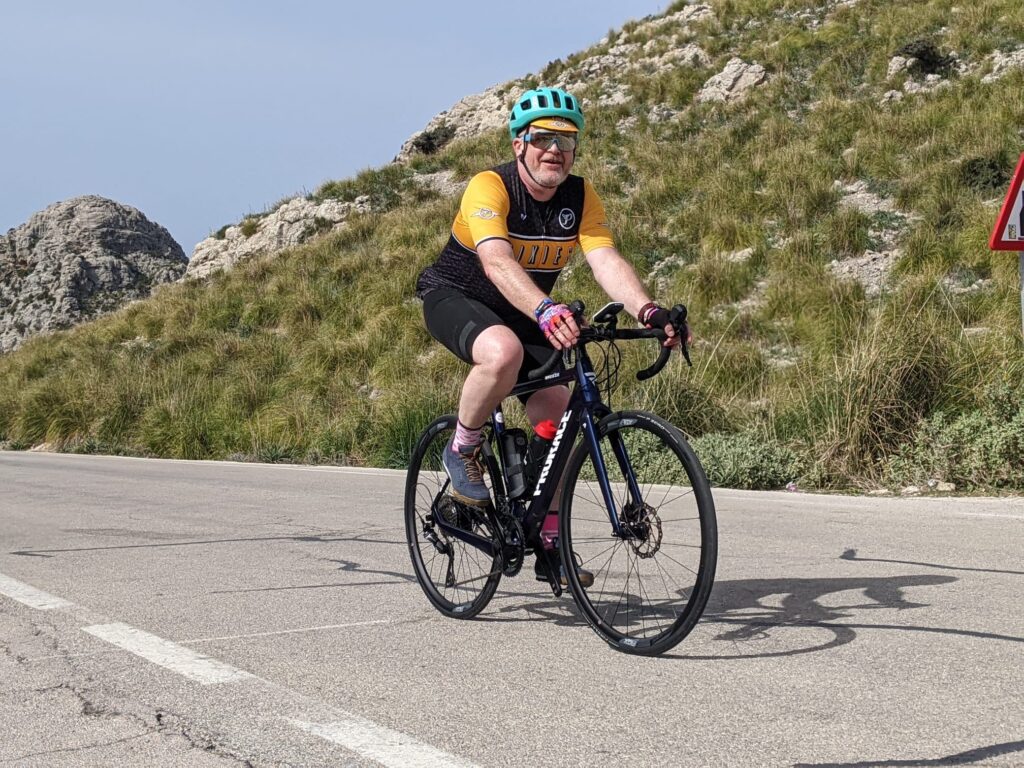
This pejorative term has been around for as long as road cycling has been popular as a sport. The “othering” of specific groups in our communities has become an increasingly insidious aspect of culture wars. Cyclists are an easy target because they are often conspicuous. Many of us wear bright clothing when we ride our bikes to make us easier to see. But if you look at people cycling around Cardiff, the majority of them are dressed in normal clothing. Unfortunately, there are more than a few motorists who indulge in loutish behaviour: in 2022 there were 2282 incidents of road rage reported in the UK, a jump of 30% on the previous year.
7. Riding in the middle of the road
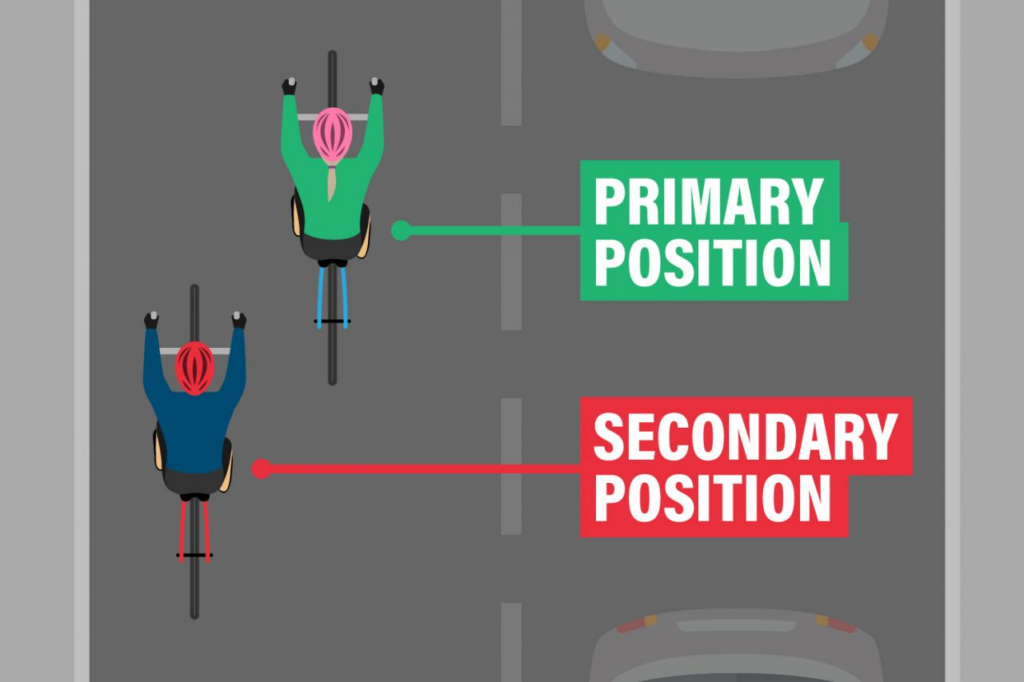
This is more accurately known as “taking primary position.” This is a safety measure which is actually prescribed in the Highway Code. It stops careless and dangerous drivers from overtaking when it’s not safe to do so.
8. Riding on the pavement
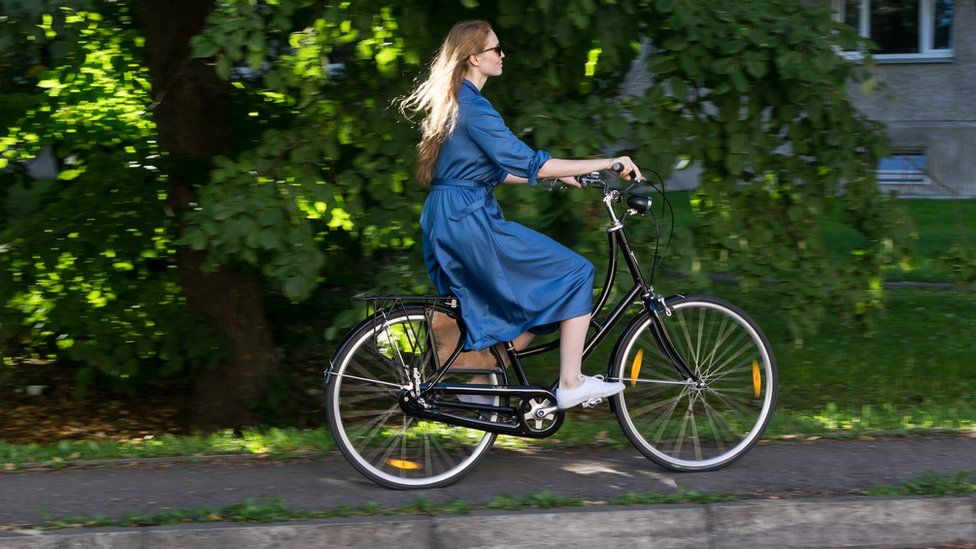
Strictly speaking, riding a bicycle on the pavement is prohibited in the Highway Code. However, police are encouraged to show leniency in situations where the alternative (cycling in the road) is considered more dangerous. We can all think of plenty of examples of this. The answer is more dedicated safe cycling infrastructure.
9. Empty cycle lanes
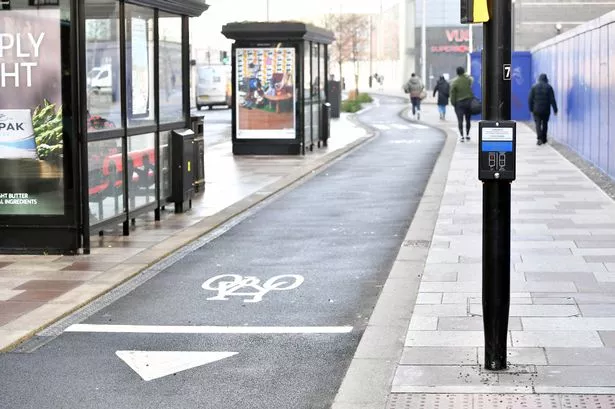
It’s easy (but hardly scientific) to see an empty cycle lane and extrapolate that split-second snapshot to a view that they’re always empty. In fact, if you take London as an example, there are over 1.28 MILLION cycle journeys on the city’s cycle networks EVERY DAY.
10. Use the cycle lane!
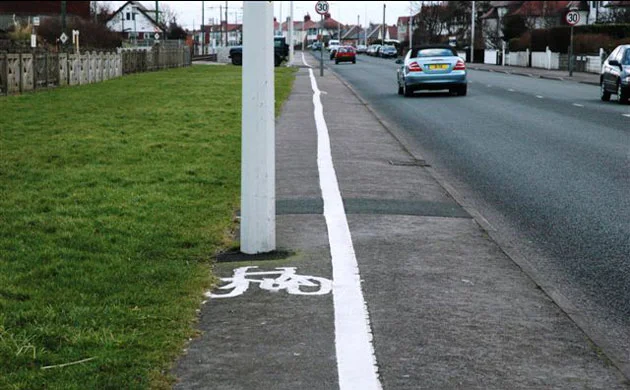
In Cardiff we’re blessed with some very good cycling infrastructure. But a lot of it is frankly terrible. Crumbling white paint in the gutter, narrow “door zone” strips and cycle lanes which abruptly finish and eject you onto the main carriageway – these are just a few of the reasons why many cyclists will take their chances on the main road rather than use terrible infrastructure.
11. “They think they’re in the Tour de France”
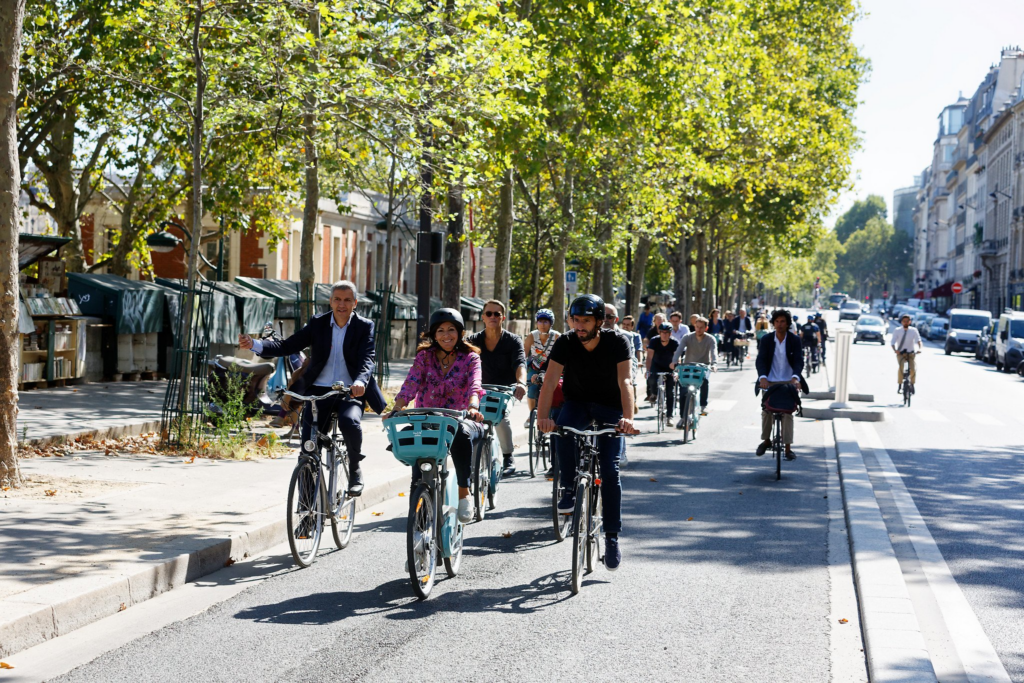
Most of us can only dream of reaching the levels of the likes of Meg Backstedt or Geraint Thomas. But a lot of us would love to ride our bikes in Paris, where the city mayor Anne Hidalgo has led an astonishingly quick transformation of the city’s cycling infrastructure. It has cost EUR 150million, but in the space of just a few years, cycling has now become the second most popular mode of transport in the French capital behind walking. What’s not to like about that?
12. Cyclists ride on the wrong side of the road
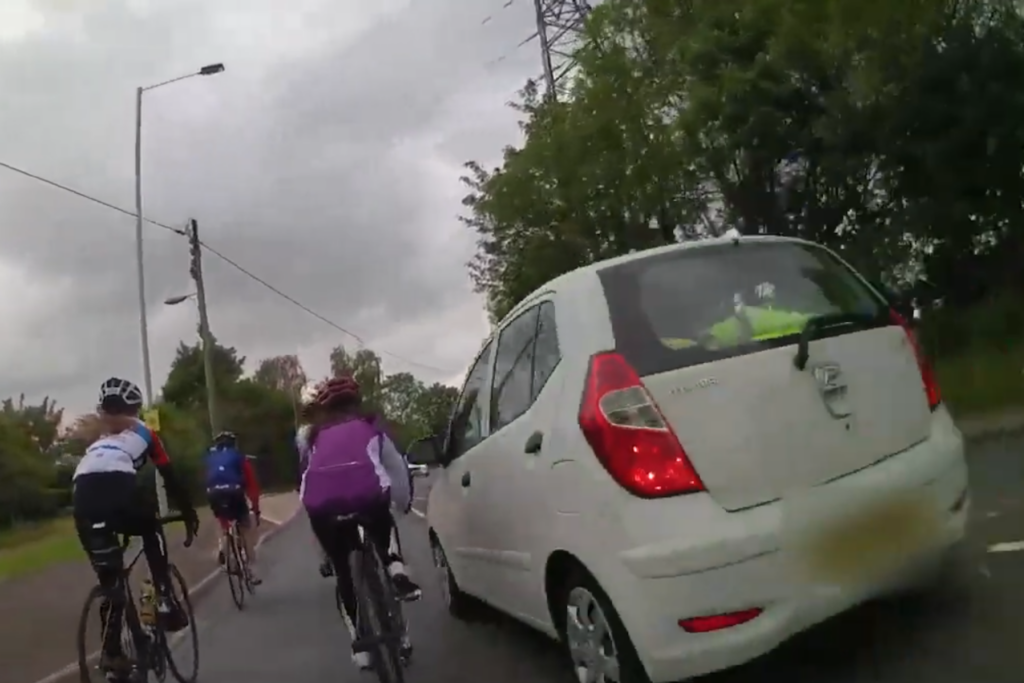
To our knowledge, overtaking isn’t illegal. It just needs to be done safely. “Close passes” account for a large proportion of incidents involving motorists and cyclists. These are most often caused by driver impatience. A cyclist overtaking a slower or stopped vehicle is a lot less dangerous than a driver zooming past a cyclist or pedestrian because they’re in too much of a hurry to wait until it’s safe to pass.
13. Cyclists don’t stop at zebra crossings
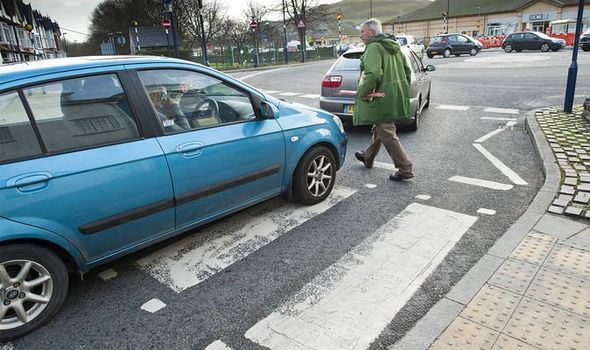
Everybody should stop at zebra crossings. Unfortunately some cyclists don’t. But neither do some motorists and the danger they cause is much greater.
14. Cyclists ride at 40mph
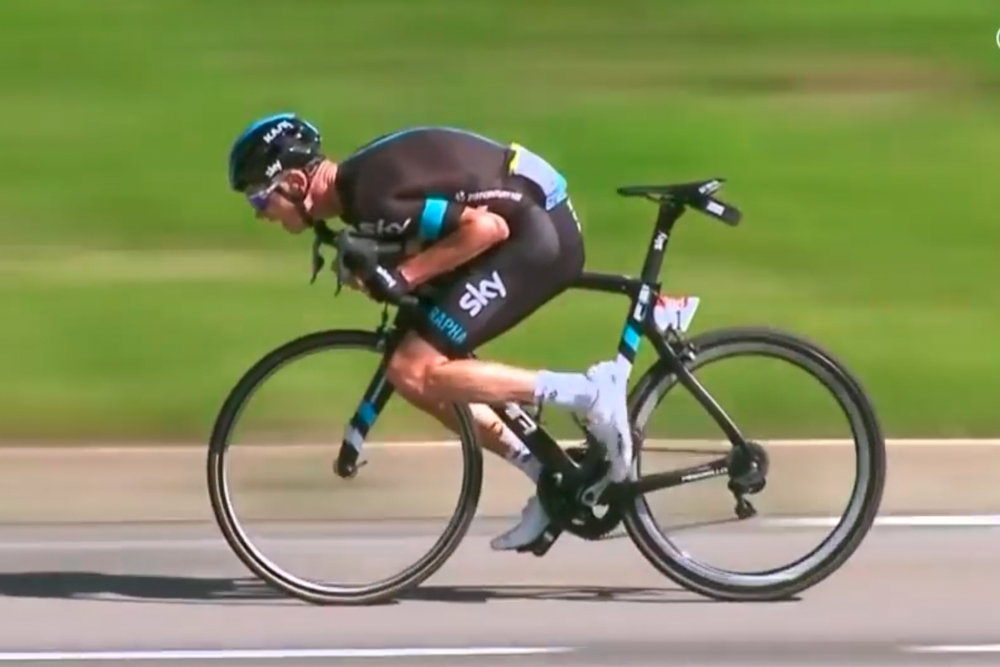
This is faster than most professional cyclists can ride flat out. It always amuses us to hear or read from these talented people who can accurately measure the speed of a moving vehicle using just their eyes rather than complex radar technology.
15. Cyclists haven’t passed their driving test
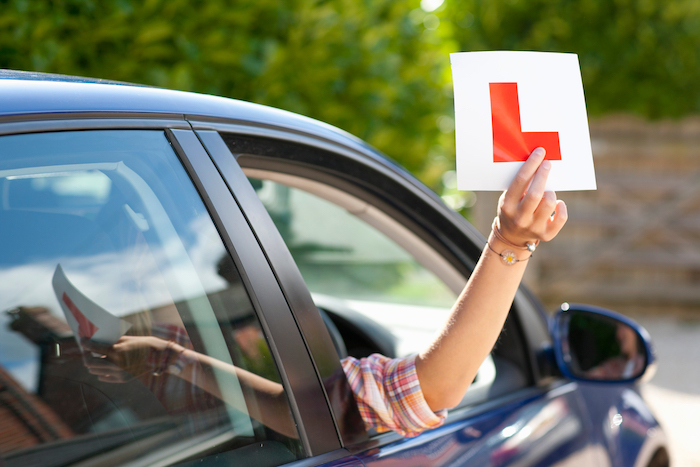
Actually, 87% of people over 18 who cycle, are also licensed to drive a car.
16. Cyclists are always undertaking
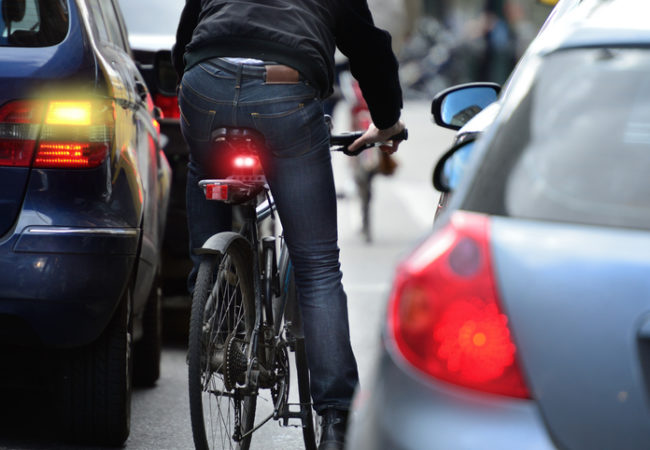
Also known as filtering, this is a perfectly legal thing to do as long as it’s safe. Undertaking a moving lorry or bus would be dangerous. Undertaking a stationary or slow moving queue of cars is acceptable, and it demonstrates how much more efficient it is to ride a bike in many urban settings.
17. Cyclists don’t look where they’re going
There are careless cyclists, just as there are careless drivers. See (13) above.

18. Cyclists ride with no lights on
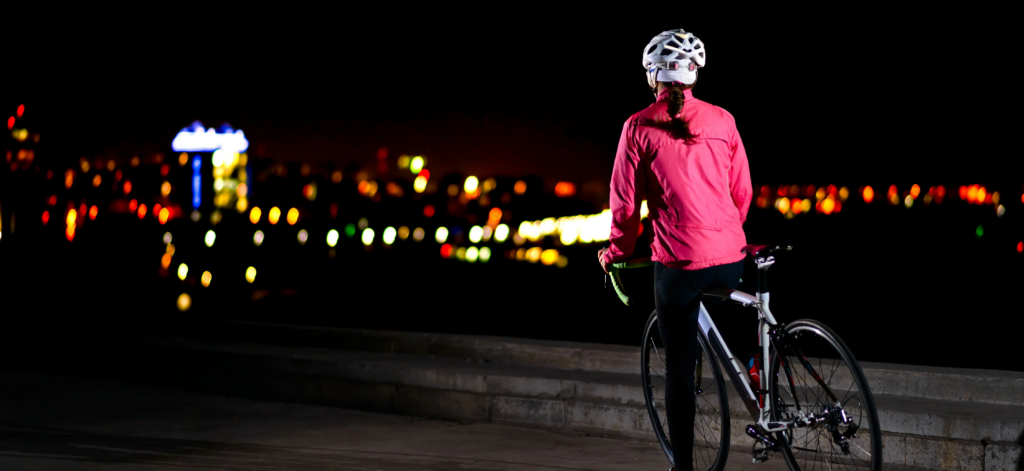
Whilst we would always encourage cyclists to use their lights when cycling in low light or dark conditions, it’s still the motorist’s responsibility to see cyclists and pedestrians and to keep them safe. “I didn’t see the cyclist” is unlikely to stand up in court, sorry.
19. “Where’s your helmet?”
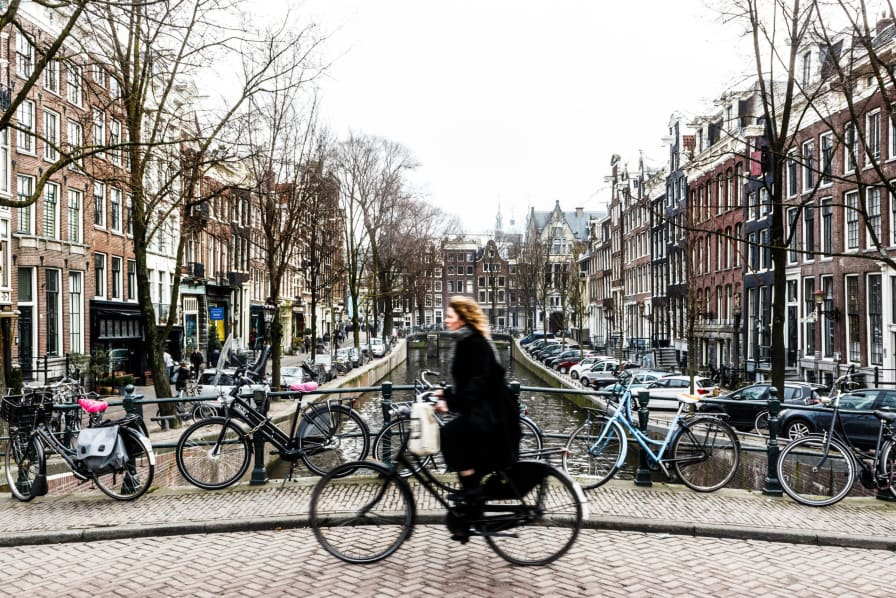
This is an interesting one. If you look at countries with the highest levels of cycling and the lowest levels of cycling incidents, you’ll find that they’re also countries where helmet use is lower than average. If you go anywhere in Amsterdam or Copenhagen, for example, you’ll see very few people wearing a helmet.
In countries where helmet usage is mandatory, there is evidence to show that this actually discourages people from cycling. Other studies have shown that motorists are more likely to drive carefully near cyclists who are NOT wearing helmets.
Helmets have been proven to prevent many serious head injuries. But you’re more likely to sustain a head injury travelling in a car than you are on a bike. But you don’t hear a big clamour for helmets to be mandatory for car drivers and passengers, do you?
HOWEVER – wearing a helmet is always advised, especially for children and cyclists who are likely to be travelling over 20kph (15mph) on busy roads.
20. Cyclists are always overtaking!
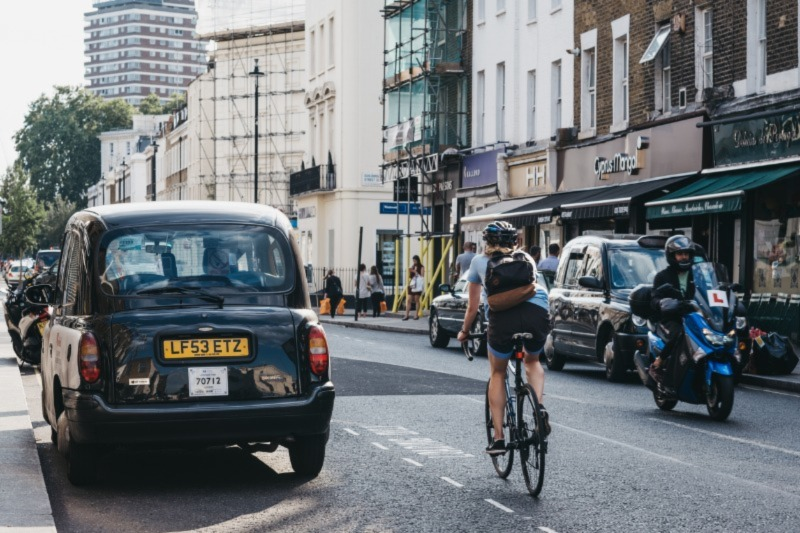
Yes, we all do that from time to time. It’s perfectly legal and usually because the thing we’re overtaking is a traffic jam full of cars.
21. “Where’s your hi-viz?”
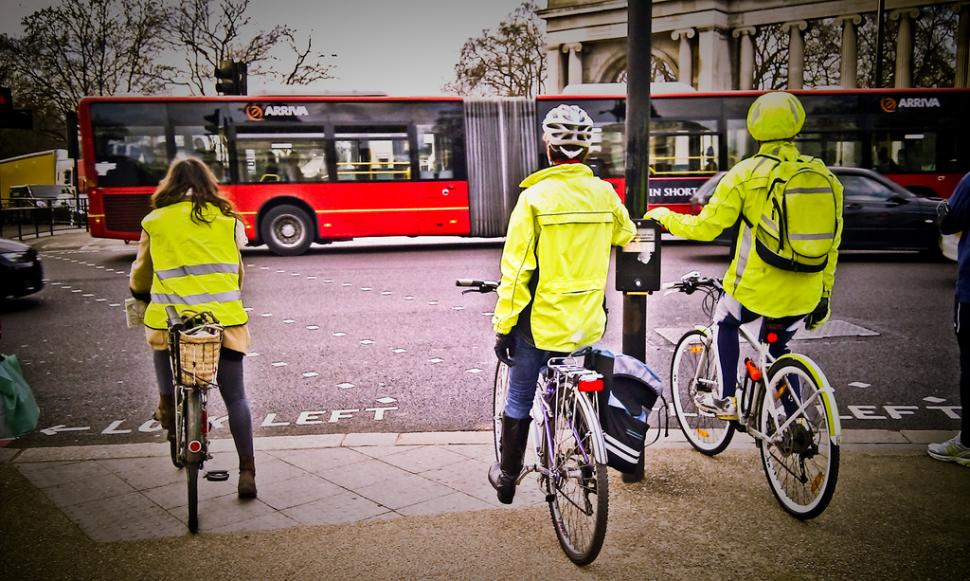
It’s back at home with my helmet. Pay attention.
22. The “Evil Cycling Lobby”

See (6) – Lycra louts. Another ridiculous but also quite troubling new entry in the ongoing culture wars. Apparently the poor put-upon motorists are being victimised by evil cyclists. In reality, the motoring and fossil fuel lobby have vastly bigger resources and reach right into the heart of government, influencing policy in favour of motorists. We wish cycling groups had as much influence.
23. Cyclists are always jumping red lights
So do many motorists. See (13).
24. Roads were built for cars
Tell that to the Romans.